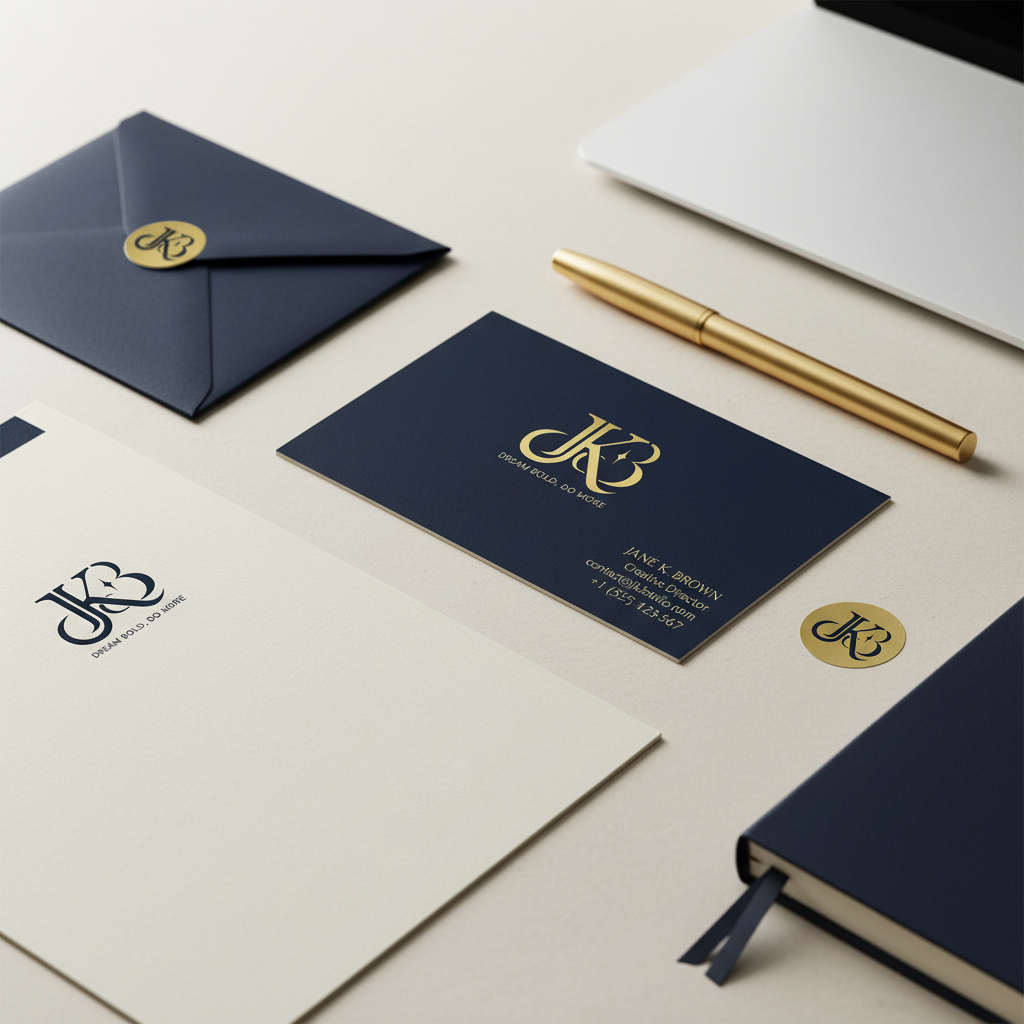
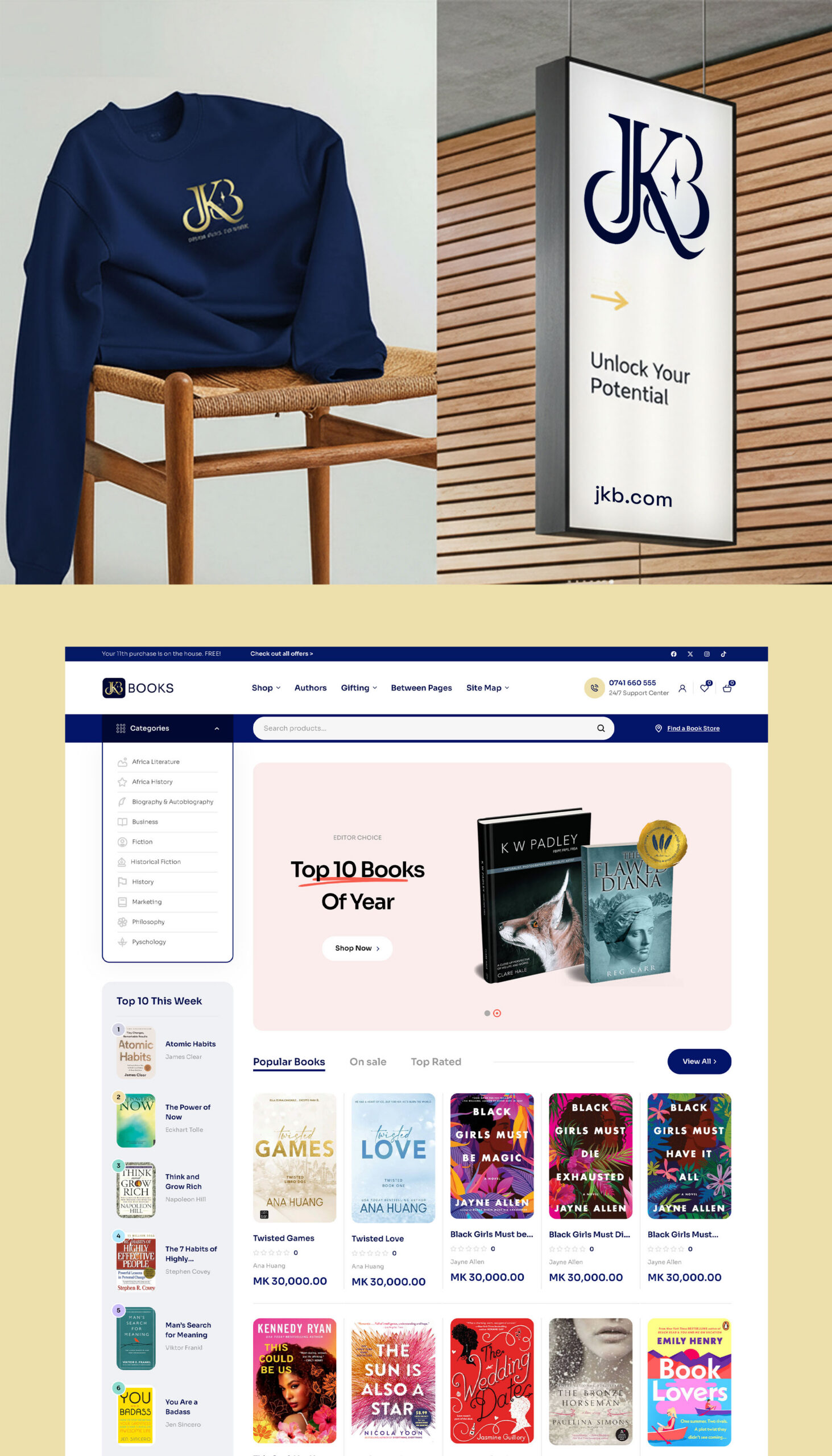
JKB was developed as a master brand designed to support a broader ecosystem of knowledge-driven products and services. At its core, the brand represents a commitment to learning, discovery, and access to information. The brand identity was designed to serve as a flexible foundation capable of supporting multiple brand extensions over time.
Within this structure, JKB Books was established as the first sub-brand under the JKB umbrella.
Challenges
& Objectives
/ Project Overview
The JKB branding project involved developing a master brand identity along with a scalable brand architecture that allows future sub-brands to exist within the same visual system.
The design needed to create a recognizable identity for JKB while allowing sub-brands such as JKB Books to maintain clarity and independence without losing the connection to the parent brand. The visual system was therefore designed to be flexible and adaptable across different platforms, products, and future brand extensions.
The project included the development of the core brand identity as well as the visual structure that enables the master brand and its sub-brands to function cohesively.
/ Challenges
One of the key challenges was designing a brand system that could function both as a standalone master brand and as a parent brand supporting sub-brands. The identity needed to be simple and adaptable enough to accommodate multiple brand categories in the future.
Another challenge involved ensuring that JKB Books maintains its own identity within the marketplace while still clearly belonging to the larger JKB brand ecosystem.
/ Objectives
The main objectives of the project were to:
Develop a strong and adaptable master brand identity for JKB
Establish a clear brand architecture for future sub-brands
Create a visual identity that supports both the master brand and JKB Books
Ensure consistency across digital platforms and marketing materials
Position JKB as a recognizable and expandable knowledge-focused brand
/ Final Outcome
The final result was a cohesive brand identity system that positions JKB as the master brand while enabling JKB Books to operate as a focused sub-brand within the ecosystem.
The identity provides a scalable visual framework that can support additional sub-brands in the future while maintaining a unified brand presence. This structure allows JKB to grow beyond a single product category while preserving clarity and consistency across all brand touchpoints.